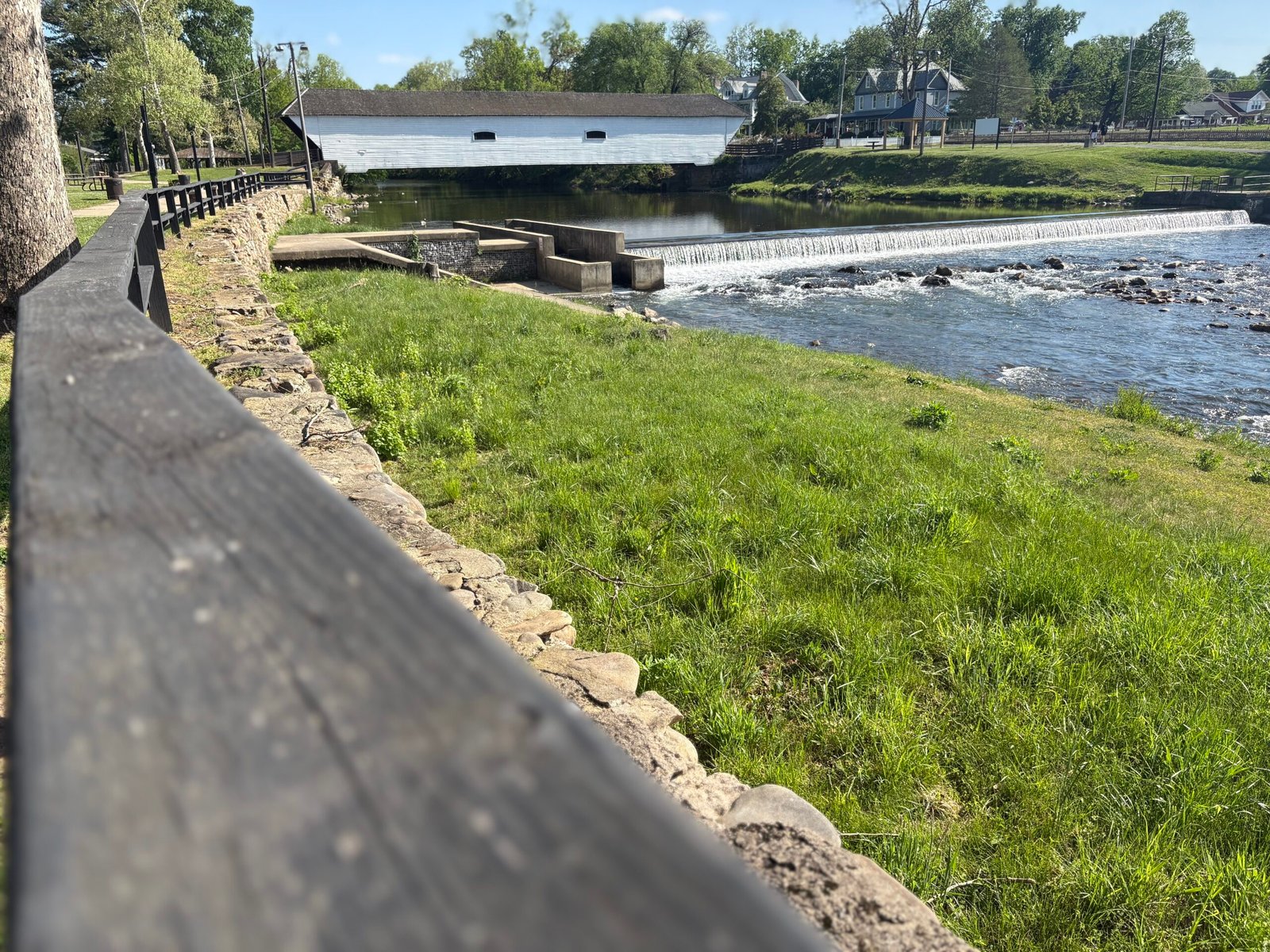


Thinking about moving to Knoxville, Tennessee? Knoxville offers a combination that continues to attract people to East Tennessee: the amenities and employment opportunities of a growing regional city with easy access to mountains, lakes, rivers and outdoor recreation.
As the largest city in East Tennessee, Knoxville is home to the University of Tennessee, major healthcare systems, established neighborhoods, newer residential communities, restaurants, shopping, entertainment and a diverse housing market. Knoxville Official Website Census.gov
But Knoxville isn’t one single type of community. Downtown, West Knoxville, South Knoxville, Fountain City and other areas can offer very different lifestyles and housing options.
If you’re considering a move, this guide will help you understand what it’s like to live in Knoxville, where people live, what homes cost, how the local economy works and what to consider before buying a home.
Why Are People Moving to Knoxville?
Knoxville has continued to grow.
The U.S. Census Bureau estimates Knoxville’s population at 202,021 as of July 1, 2025, up about 6% from the 2020 Census estimate base. Census.gov
The city also serves as a regional hub for much of East Tennessee, providing access to employment, healthcare, higher education, shopping and entertainment that may not be available in smaller surrounding communities.
People relocating to Knoxville are often looking for:
- A larger employment market
- Access to healthcare and higher education
- A variety of housing options
- Restaurants and entertainment
- Outdoor recreation
- Access to the Great Smoky Mountains
- A city environment without the scale of a major metropolitan area
- Proximity to other East Tennessee communities
Knoxville’s location also makes it a practical base for exploring the rest of the region.
Where Is Knoxville, Tennessee?
Knoxville sits along the Tennessee River in East Tennessee, roughly between the Cumberland Mountains and the Great Smoky Mountains. The city covers approximately 99 square miles. Knoxville Official Website
Major highways including Interstates 40 and 75 connect Knoxville with other parts of Tennessee and the Southeast.
Approximate driving distances include:
- Sevierville: 30 miles
- Pigeon Forge: 35 miles
- Gatlinburg: 40 miles
- Johnson City: 110 miles
- Chattanooga: 115 miles
- Nashville: 180 miles
- Atlanta: 200 miles
The location gives residents access to a larger city while keeping the mountains, lakes and outdoor recreation close by.
What Is Knoxville Known For?
Knoxville is best known for several things: the University of Tennessee, the Tennessee River, outdoor recreation, downtown Knoxville and its role as the largest city in East Tennessee.
The University of Tennessee campus sits immediately adjacent to downtown, creating a close connection between the university, downtown businesses and the riverfront.
Downtown Knoxville is centered around areas such as Market Square and Gay Street, with restaurants, shops, entertainment venues, museums, parks and events. Knoxville Official Website
Outside downtown, Knoxville spreads across a diverse collection of residential communities.
That’s important to understand if you’re considering a move.
Living in Knoxville doesn’t necessarily mean living an urban lifestyle.
You can live downtown, in an established neighborhood, in a suburban community or farther from the city center.
What Is It Like Living in Knoxville?
One of Knoxville’s defining characteristics is its variety.
Someone living downtown may have restaurants, entertainment and events within walking distance.
Someone living in West Knoxville may have a more suburban environment with extensive shopping and services.
South Knoxville offers convenient access to outdoor recreation, while established communities such as Fountain City have a different residential character.
The result is a city where your experience can depend heavily on which part of Knoxville you choose.
That’s why researching individual neighborhoods is an important part of the relocation process.
Knoxville Real Estate & Housing
Knoxville has a broad housing market with everything from historic homes and established neighborhoods to new construction, townhomes and larger suburban properties.
Current housing statistics also demonstrate why it’s important to distinguish between different data sources.
According to Redfin, the median Knoxville home sale price was approximately $324,785 in August 2026, up 1.5% from the previous year. Homes were taking approximately 54 days to sell. Redfin
Realtor.com reported a $436,125 median listing price and $410,000 median sold price in August 2026, with approximately 3,024 active listings. Median rent was approximately $2,049 per month. Realtor.com
These figures aren’t directly interchangeable because each company uses different methodologies and datasets.
For someone buying a home, the more important point is that Knoxville offers a wide range of prices and property types, and the neighborhood can have a major impact on what you’ll pay.
Types of homes you’ll find
Depending on the area, buyers may find:
- Historic homes
- Traditional single-family homes
- New construction
- Townhomes
- Condominiums
- Larger suburban homes
- Properties with acreage
- Luxury homes
- Investment properties
If you’re relocating from outside the area, also pay attention to the difference between the City of Knoxville and the surrounding communities in Knox County. A property may use a Knoxville mailing address without being located inside the city’s boundaries.
Knoxville Neighborhoods & Areas
Choosing where to live may be one of the most important decisions you’ll make when moving to Knoxville.
Here are several areas worth exploring.
Downtown Knoxville
Downtown provides the city’s strongest urban environment, with Market Square, Gay Street, restaurants, shops, entertainment and events.
Housing can include historic properties, condominiums, apartments and other urban options.
West Knoxville
West Knoxville is one of the area’s major suburban centers.
It offers extensive shopping, restaurants, healthcare, established neighborhoods and newer residential development, along with convenient access to Interstate 40.
South Knoxville
South Knoxville combines established residential areas with extensive outdoor recreation.
The Knoxville Urban Wilderness provides access to trails and other outdoor activities while remaining close to downtown.
Fountain City
Fountain City is an established community north of downtown with older homes, established neighborhoods and local businesses.
Bearden
Located west of downtown, Bearden is known for restaurants, shopping and local businesses and provides convenient access to both downtown and West Knoxville.
Sequoyah Hills
Sequoyah Hills is an established residential area along the Tennessee River with historic homes and mature landscaping.
These are only a few of Knoxville’s communities. As East Tennessee Guide grows, individual neighborhood guides can provide a much deeper look at housing, amenities and real estate in each area.
Cost of Living in Knoxville
Knoxville’s cost of living is influenced heavily by housing.
The Census Bureau reports a median value of owner-occupied homes of $239,700 for 2020–2024 and median gross rent of $1,191 during that period. Those are historical Census figures and should not be confused with today’s asking prices. Census.gov
Current real estate data show substantially higher prices, illustrating how quickly the market has changed.
For someone moving to Knoxville, it’s useful to look beyond the purchase price and consider:
- Mortgage
- Property taxes
- Homeowners insurance
- Utilities
- Transportation
- Healthcare
- Food
- Maintenance
- HOA fees
Your actual cost of living will depend heavily on where you live and how you spend your money.
Jobs & the Knoxville Economy
Knoxville is an important employment center for East Tennessee.
Major sectors include:
- Healthcare
- Education
- Government
- Manufacturing
- Technology
- Professional services
- Retail
- Hospitality
- Construction
- Logistics
- Research
Healthcare and social assistance are particularly significant. Census data reports more than $5 billion in healthcare and social-assistance receipts/revenue in 2022 within Knoxville. Census.gov
The University of Tennessee is another major economic and cultural institution.
For people relocating for employment, Knoxville generally provides a broader range of career opportunities than many of the smaller communities throughout East Tennessee.
The University of Tennessee
The University of Tennessee is an important part of Knoxville’s identity.
The campus is adjacent to downtown, and the university influences the city’s culture, housing, transportation, restaurants, entertainment and sports.
Tennessee Volunteers football is particularly significant, with Neyland Stadium becoming a major destination on game days.
If you’re considering living near the university, remember that the area can experience different traffic and activity patterns during the academic year and major events.
Outdoor Recreation
One of Knoxville’s biggest lifestyle advantages is the ability to combine city living with outdoor recreation.
The city has an extensive network of greenways, parks and trails. The University of Tennessee notes approximately 112 miles of paved greenways and natural trails, while Knoxville’s Urban Wilderness encompasses roughly 1,500 acres. Knoxville Official Website
Residents can enjoy:
- Hiking
- Mountain biking
- Kayaking
- Fishing
- Paddleboarding
- Cycling
- Running
- Parks and greenways
- Tennessee River recreation
And when you want to explore farther, the Great Smoky Mountains are within an easy drive.
Downtown Knoxville, Restaurants & Entertainment
Downtown Knoxville has become one of the city’s major destinations.
Market Square, Gay Street and the surrounding downtown area offer restaurants, independent shops, entertainment, public spaces and community events.
West Knoxville provides another major concentration of restaurants and shopping, while other areas of the city offer their own collection of locally owned businesses.
This variety is one reason Knoxville can appeal to people who want more amenities than a smaller East Tennessee community can provide.
Schools & Healthcare
Families moving to Knoxville should research schools based on the specific property address.
School assignments can vary significantly throughout the area, so prospective buyers should verify current zoning and school information rather than relying solely on citywide statistics.
Healthcare is another major advantage of living in Knoxville.
The city has hospitals, medical practices, urgent-care facilities and specialty providers, and its healthcare infrastructure serves people from many surrounding East Tennessee communities.
For retirees and families, proximity to healthcare can be an important factor when comparing Knoxville with smaller communities.
Getting Around Knoxville
Knoxville is relatively compact compared with many larger metropolitan areas, but traffic can still vary considerably.
The Census Bureau reports an average commute time of 20.2 minutes for Knoxville workers during 2020–2024. Census.gov
Your actual commute will depend heavily on where you live and work.
Traffic can also increase around:
- University events
- Tennessee football games
- Downtown events
- Construction
- Major highways
- Seasonal travel
If you’re moving to Knoxville for work, it’s worth testing your potential commute before purchasing a home.
Who Might Enjoy Living in Knoxville?
Knoxville can appeal to people who want:
- A larger East Tennessee city
- Access to employment opportunities
- Healthcare and higher education
- Restaurants and entertainment
- Outdoor recreation
- A variety of housing options
- Access to the Smoky Mountains
- Proximity to surrounding East Tennessee communities
It can also work for people who want different types of living environments—from urban to suburban to more spacious properties farther from the city center.
Knoxville vs. Other East Tennessee Communities
One of the biggest advantages of East Tennessee is the variety of communities within the region.
Knoxville
A larger regional city with extensive employment, healthcare, education, shopping, restaurants and entertainment.
Johnson City
A smaller regional hub with East Tennessee State University, healthcare, outdoor recreation and a more compact community environment.
Kingsport
An established community with a significant industrial history, employment base and access to outdoor recreation.
Sevierville
A tourism-oriented community near the Smoky Mountains with a substantial vacation-rental market.
Greeneville
A smaller community with historic character, rural surroundings and a different pace of life.
Jonesborough
A historic town known for its Appalachian heritage and small-town environment.
The right community depends on what you’re looking for.
That’s why Compare Cities will be an important part of East Tennessee Guide.
Pros & Considerations of Living in Knoxville
Potential advantages
- Large regional employment base
- University of Tennessee
- Extensive healthcare options
- Diverse housing market
- Restaurants and entertainment
- Outdoor recreation
- Tennessee River access
- Close to the Smoky Mountains
- Major interstate connections
- Variety of neighborhoods
Things to consider
- Housing costs have increased
- Traffic varies considerably by location
- Neighborhoods can differ substantially
- School assignments depend on location
- University and sporting events can affect traffic
- Some areas are considerably more expensive than others
Is Knoxville, Tennessee Right for You?
Knoxville offers a combination of city amenities and East Tennessee lifestyle that is difficult to duplicate elsewhere in the region.
You can have access to major healthcare systems, employment, restaurants, entertainment and higher education while still being close to mountains, rivers, lakes and outdoor recreation.
But Knoxville isn’t one-size-fits-all.
The experience of living downtown can be very different from living in West Knoxville, South Knoxville, Fountain City or one of the surrounding communities.
That’s why the best place to start isn’t simply asking:
“Should I move to Knoxville?”
It’s asking:
“Which part of the Knoxville area fits the way I want to live?”
Thinking About Moving to Knoxville?
Before making a decision, explore the different communities, neighborhoods and housing options throughout Knoxville and the surrounding area. Also, reach out directly to me and I will be happy to help you find the right house to call home.
East Tennessee Guide is designed to help you understand where you’re moving—not just find a house.
Explore More East Tennessee:
- Living in Johnson City
- Living in Kingsport
- Living in Sevierville
- Living in Greeneville
- Johnson City vs. Knoxville
- Knoxville vs. Kingsport
- Moving to East Tennessee: The Complete 2026 Guide